
Electric transport


Everything that runs on a battery, in one catalogue
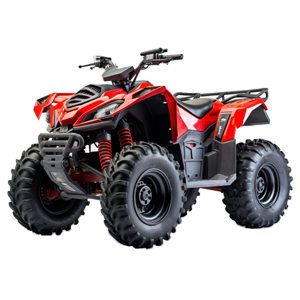
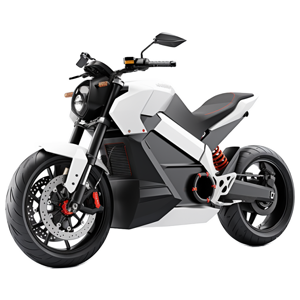
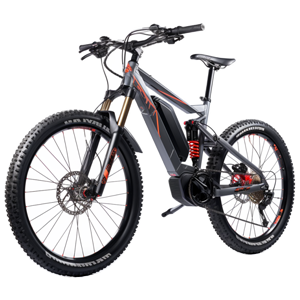
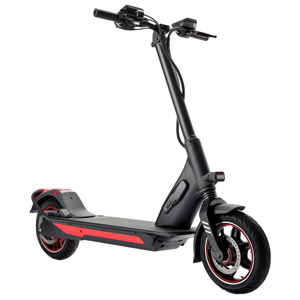
The electric transport section gathers our battery-driven vehicles regardless of how many wheels they have: kick scooters, bicycles, motorcycles, quads and cargo tricycles. They share a drivetrain and, with it, a way of living with the machine. Torque arrives at the first turn of the wheel, there is no gearbox to manage, and the maintenance list shrinks to charging the pack, checking the brakes and keeping the tyres at pressure. What differs between them is range, legal status and what they are meant to carry.
How the section is divided
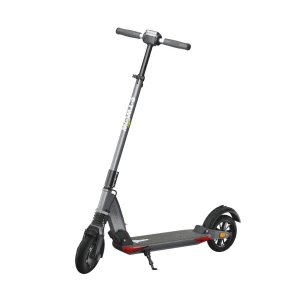
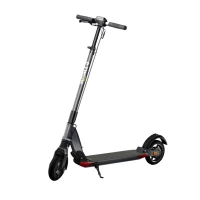
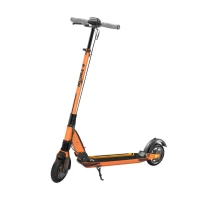
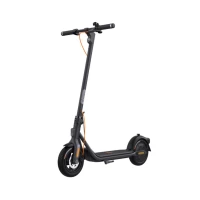
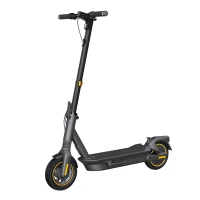
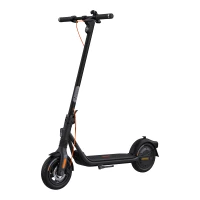
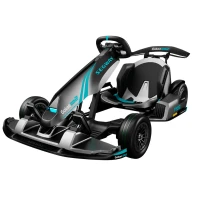
The largest group by far is electric scooters — more than twenty models from Segway-Ninebot, E-TWOW, Eborn, Kamikaze, Ducati, Blaupunkt, Evomoto, CityCat and Teverun, spanning 130 W city models at 16 km/h up to the 5000 W Teverun Blade GT II. Electric bicycles hold the 250 W, 25 km/h VONIQ machines with 20-inch wheels. Electric motorcycles and electric ATVs cover the heavier end. Alongside them sit the Eborn CargoCat tricycles and the Segway Ninebot GoKart Pro.
- Motor power. 250–500 W is enough for flat city routes; 800 W and above matters on hills and with a heavier rider.
- Battery capacity. Amp-hours, not watts, decide how far you get — and quoted range assumes a light rider on level ground.
- Wheels and brakes. Larger pneumatic wheels and disc brakes transform comfort and stopping distance on poor surfaces.
- Legal limits. Speed and power caps for public roads differ by country; check the rules where you will ride.
Picking the right class
For distances up to a few kilometres and a route that ends indoors, a folding scooter is hard to beat. For daily commuting with luggage or hills, an e-bike with pedal assistance covers more ground with less effort. For longer journeys at traffic speed, an electric motorcycle is the honest answer. If you already know which manufacturer you want, the scooters by brand listing goes straight to the model ranges, and battery-driven four-wheelers with a cabin or a cargo bed are described in the electric cars section of this catalogue.
Frequently asked questions
How long does a battery last before it needs replacing?
Most lithium packs in this class hold useful capacity for several hundred full charge cycles, which for an average commuter is three to five years. Deep discharges, charging in frost and storing the vehicle flat over winter shorten that considerably; keeping the pack between roughly a third and full and indoors in cold weather extends it.
Are these vehicles allowed on the road?
It depends on class and country. Pedal-assist bicycles capped at 25 km/h and 250 W and scooters within the local power and speed limits are generally treated as bicycles or as personal transporters; faster machines are usually restricted to private ground unless registered. The documents supplied state what each model is approved for.
Every vehicle is checked before dispatch and comes with a 12–24 month manufacturer guarantee and purchase documents. We ship across Poland and the European Union, and our showroom in Wrocław at ul. Robotnicza 92/94 keeps the current range on display.